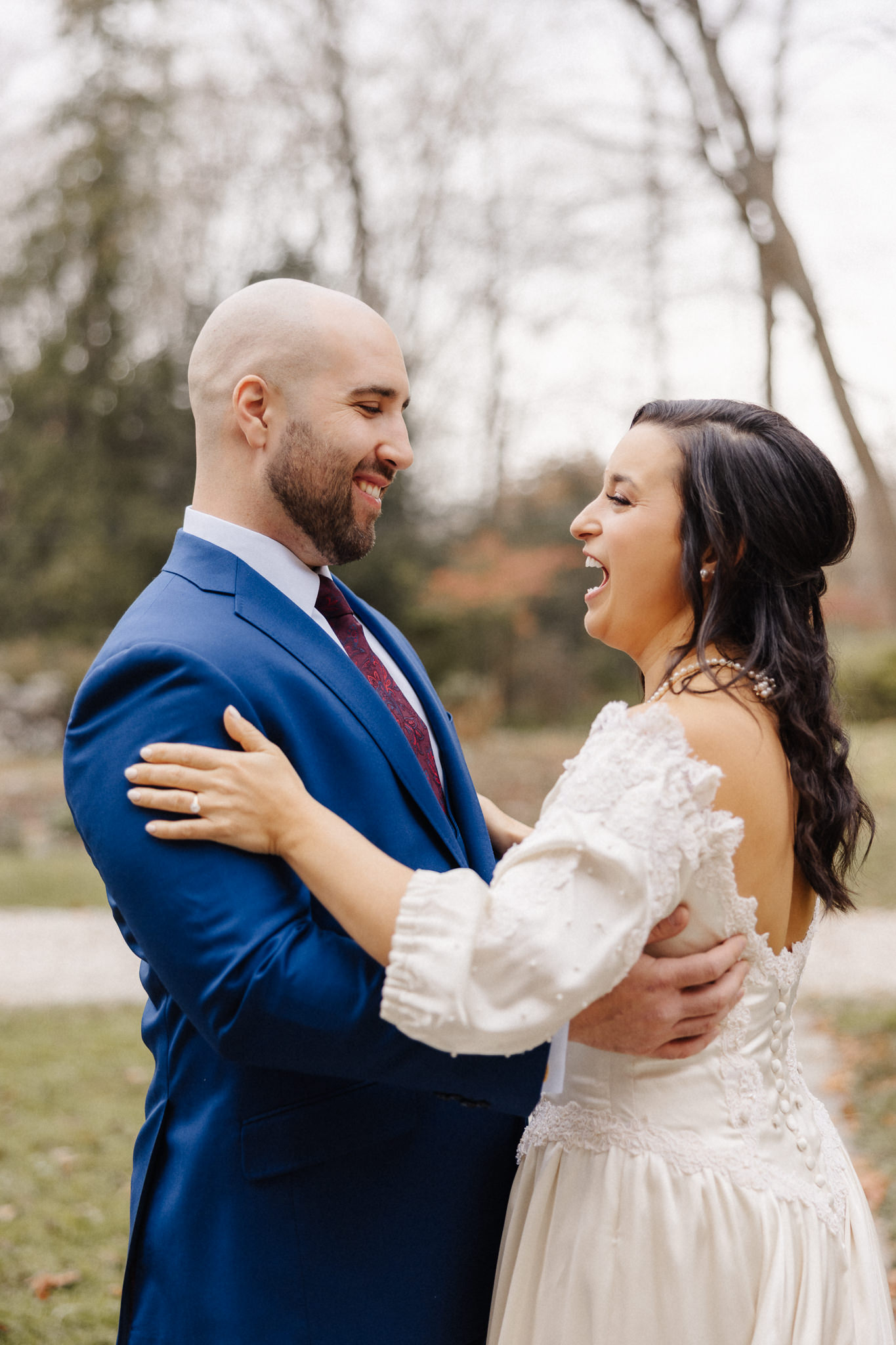
There’s a phrase I use often when I describe my work: a documentary-first approach to wedding photography. I put it on my website, I say it in consultations, and I mean it in the fullest way. But I’ve noticed that people often nod past it without really asking what it looks like in practice. So I want to slow down and explain it, because I think it matters more than most people realize.
The short version is this: I’m not there to make your wedding look like a photo shoot. I’m there to record it, honestly and quietly, as it happens. But the longer version is worth understanding, especially if you’re still deciding what kind of photography you want for your day.
What “Documentary-First” Actually Means
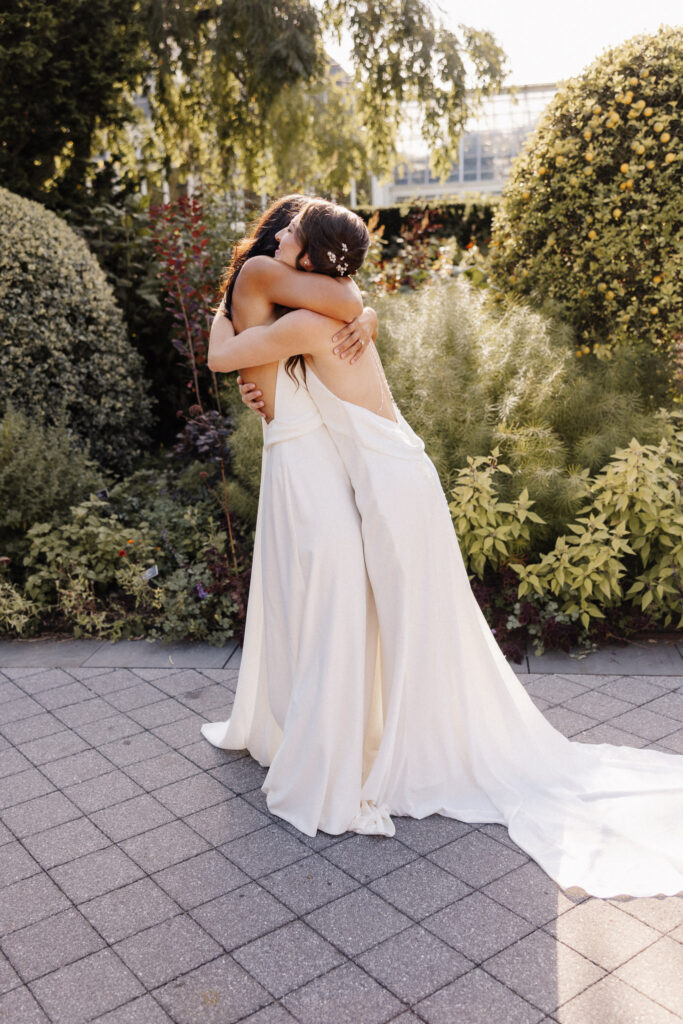
Documentary photography, at its core, is about bearing witness. It comes from photojournalism, from the tradition of photographers who moved through events and captured what was real without directing any of it. Documentary wedding photography borrowed that language over time, and the best version of it carried over the spirit too.
When I say my approach is documentary-first, I mean that observation comes before direction. I watch before I adjust. I follow the story of your day rather than writing it for you. The moments I’m drawn to are not the ones I’ve set up. They’re the ones I notice while everyone else is looking somewhere else. That’s what candid wedding photography is really about.
That doesn’t mean I never offer gentle guidance. If you want a few photographs standing together in good light, I can make that happen. If your family needs to be corralled for a group shot, I’ll do that with patience and a little humor. But posed moments are the exception, not the center of the day. The photographs I’m most proud of, and the ones that usually mean the most to the couples I work with, are the ones that simply happened.
There’s a term I sometimes use alongside documentary-first: “gentle documentary.” It’s my way of describing an approach that doesn’t just passively record a day from a distance, but moves quietly and warmly through it. I’m close enough to see the small things. I’m quiet enough that you forget to perform for me.
How a Documentary-First Approach Shapes Your Wedding Day
One of the most direct ways this philosophy changes things is in how present you get to be.
When your photographer is constantly directing the day, it can start to feel like you’re performing. You’re always thinking about where to stand, what to do with your hands, whether you’re smiling in the right direction. There’s a low-level anxiety that creeps in and sits underneath everything else. I’ve heard it described as feeling like a prop in your own wedding.
A documentary-first approach flips that. My job is to blend in, to become someone your guests barely notice. I move quietly and I pay attention. And because I’m not interrupting the natural rhythm of your day, you get to stay inside it. The laughter is real. The tears are real. The way you lean into the person next to you is something you actually felt, not something you held while I counted to three.
That’s what I want your photographs to show: your wedding, actually happening.
I also want to name something I don’t say often enough. The energy in the room when a photographer is calm is different from the energy when a photographer is loud and directive. People can feel it. They relax. They talk to each other. The day unfolds the way a day actually unfolds when people gather together and mean it. A documentary-first mindset isn’t just a shooting style. It’s a way of being present that protects the atmosphere of your celebration.
What I’m Actually Doing When I’m Not Posing You
This is the part I find hardest to explain, because it looks like not very much from the outside.
When I’m standing quietly near the door while you’re getting dressed, I’m reading the room. Some of that is about light: where it falls, how it moves. Mostly it’s about the people around you, who keeps looking at you with soft eyes, who’s holding back tears and pretending they’re fine, where the moment that’s about to happen is quietly gathering itself.
When you’re at the altar and I’m stepping slowly to one side, it’s because I’ve watched enough ceremonies to know where the light will be when you cry, and I want to be there already.
This kind of attention takes time to develop and it’s mostly invisible to everyone in the room. But it’s what makes the photographs feel like memory rather than documentation, like you’re looking back at something that was real rather than looking at something someone constructed. The images that come from genuine observation land differently than the ones that come from direction. Most people can’t explain why, but they can feel it when they look at the gallery.
What This Approach Feels Like for Couples
The couples I work with tend to tell me one of two things after their wedding. The first is that they forgot I was there for long stretches of the day. The second is that they had no idea so much was happening around them until they saw the gallery.
Both of those things make me very happy.
What I want for you on your wedding day is to be so inside the experience that the photographs almost surprise you. You should look at the gallery and think: yes, that’s exactly how it felt. Not: that’s a good pose. Not: I remember her making us do that.
If you’re someone who dreads being photographed, a documentary-first approach tends to help a lot. You’re not being watched in a studied way. You’re being witnessed. There’s a real difference, and most people feel it quickly once the day gets going. Being witnessed means I’m there for you, not for the image. That shift matters.
Why I Shoot This Way
The honest answer is that I can’t really imagine shooting any other way.
I photograph intimate weddings, celebrations with fifty guests or fewer, because I believe the smaller the gathering, the more present everyone can be. And I approach those weddings with a documentary-first mindset because I think the most real thing I can offer someone is their actual day, not a styled version of it.
I came to this work partly because of my own wedding. It was small and personal and deeply us, closer to an elopement in spirit. And what I remember most isn’t the posed portraits. It’s the moments that just happened: the quiet that settled over the room before we walked out, the way the light fell through the windows, the look on my husband’s face when I wasn’t quite ready. Those are the things I wanted a photographer to hold onto. And I was lucky enough to have one who did.
That’s the work I want to do for people. Not to make their day look a certain way, but to give it back to them exactly as it was.
Is a Documentary-First Approach Right for You?
Not every couple is looking for this kind of photography, and that’s completely fine. Some people want a more directed, styled gallery. Some want formal portraits throughout the day. Those are real preferences and there are wonderful photographers who do exactly that.
But if you’re the kind of person who wants to be present on your wedding day, who doesn’t want to spend the ceremony thinking about angles, who values real moments over perfect ones, then I think we’d work well together.
My couples tend to be people who care more about how the day felt than how it looked. People who want their photographs to feel like memory rather than a highlight reel. People who trust me to watch carefully and bring their day back to them whole, honest, and unhurried.
If that sounds like you, I’d love to talk. No pressure and no pitch, just a conversation to see if we’re a good fit.
Honest moments matter.